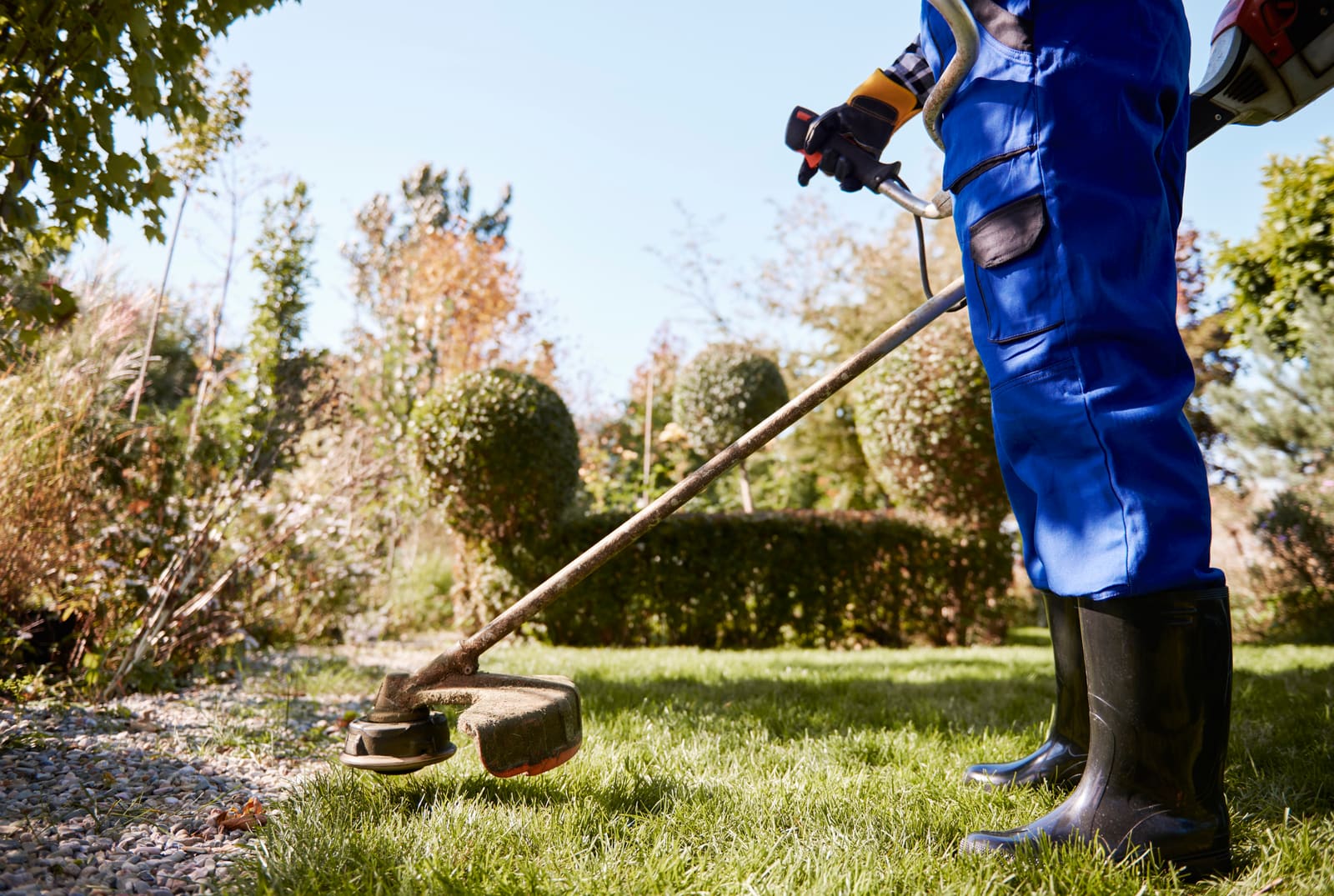
📌 Key Takeaway: Lawn care data only matters when it turns into better routes, cleaner service records, and faster billing. The right tools help crews capture what happened in the field, organize it around each customer, and use it to make better operational decisions.
The Best Tools for Lawn Care Data Collection and Analysis
Lawn care companies handle more than mowing schedules and seasonal treatments. They also generate a steady stream of information about service history, client preferences, field conditions, and billing status. When that data stays organized, it becomes a practical management tool instead of a pile of notes.
The best tools for lawn care data collection and analysis do three things well. They capture accurate information in the field, keep customer records organized, and make it easier to act on what the data shows. That matters because the operators who see patterns early can schedule smarter, communicate better, and keep the business moving without unnecessary rework.
Why Data Collection Matters in Lawn Care
Data collection in lawn care starts with the basics: service history, client requests, weather timing, site conditions, and feedback from the crew. Those details help operators make better decisions on the next visit. If a property needs a different treatment schedule or a follow-up task after a service, the record should be clear enough that the office and the crew see the same thing.
A real-world example makes this easier to see. Imagine a crew finishes a treatment route on a day when rain moves in earlier than expected. Without good records, the office may not know which properties need a reschedule or a note to the homeowner. With structured data captured in the field, the company can update the customer record, adjust the plan, and avoid confusion on the next visit. That kind of workflow saves time and protects trust.
Tools like lawn service software help professionals automate that process so records stay current without a trail of handwritten notes. The payoff is cleaner service history, fewer mistakes, and better follow-through with customers.
Eco-friendly service data is part of that same pattern. In Grow Green: Where Eco-Friendly Lawn Care is Taking Root in 2026 from August 28, 2026, the focus is on sustainable lawn care choices that depend on careful tracking, not guesswork. When a company records what was applied, when it was applied, and how the site responded, it can make greener decisions without losing control of the schedule. That makes environmental choices operational, not theoretical.
Top Data Collection Tools for Lawn Care
The best tools usually combine field capture with visibility in the office. GIS software is one of the strongest options because it helps users visualize properties, routes, and landscape patterns. That makes it easier to plan work, assign crews, and spot service areas that need extra attention.
Mobile apps have changed daily operations just as much. A good app lets technicians log completed work, record customer notes, and attach photos from the job site. Those photos are useful for documentation, but they also help the office answer questions quickly and show customers what was done. That reduces friction when a homeowner wants proof of service or needs a reminder about what was included in the visit.
These tools work best when they are used consistently. If data lives only in a technician’s memory, it cannot help the business later. When it is captured in a system, it becomes part of the company’s operating record.
Eco-friendly work adds another reason to use structured tools. The August 28, 2026 Lawn Love article shows that sustainable lawn care depends on careful tracking, not broad assumptions. If a company wants to offer greener service choices, the field record has to show more than a completed stop. It needs enough detail to support the next decision, whether that means adjusting timing, revisiting a property, or documenting a different treatment approach.
Integrating Lawn Billing Software for Streamlined Operations
Data collection becomes much more useful when it connects to billing. That is where complete lawn service management software like EZ Lawn Biller makes a difference. It brings together billing, routing, treatment tracking, visit reports, mobile access, reports, payroll, QuickBooks integration, and the customer portal in one system.
The practical benefit is simple: the same service record that helps the crew document work can also support the billing workflow. Instead of moving information between disconnected systems, the office can keep customer records aligned with what actually happened in the field. That reduces double entry and helps the business stay organized as volume grows.
EZ Lawn Biller uses statement-based billing, which fits recurring lawn service better than a one-off invoice model. Customers see a running balance, pay what they owe, and can use auto-pay through PayPal or Stripe Vault. For operators, that means service activity and payment history stay tied to the same customer account. The result is less cleanup after the fact and a clearer view of account status.
When companies are tracking sustainability-related work, that same statement-based record becomes even more useful. The office can see the service history, the customer’s preferences, and the account status in one place instead of trying to piece everything together from separate notes. That is especially useful when greener service choices need to be documented and explained to homeowners.
Analyzing Data for Better Lawn Care Decisions
Once the information is collected, analysis turns it into action. Lawn care businesses can look at service history, weather timing, and customer patterns to make decisions that improve results. For example, if a company notices that certain treatments perform better when scheduled in a narrower window, it can adjust the route calendar and improve outcomes across similar properties.
Analysis also helps identify where revenue opportunities already exist. A customer who consistently needs extra follow-up may be a candidate for a more structured service plan. A property that shows recurring issues may benefit from an added treatment at the right time. The data does not just reveal problems; it points to the next service conversation.
That is why reporting matters. Without a way to review trends, the business reacts visit by visit. With reporting, it starts to operate on patterns. That shift improves service quality and gives owners more confidence when they make scheduling or pricing decisions.
Sustainability adds another layer to that analysis. The August 28, 2026 Lawn Love piece shows how eco-friendly lawn care depends on seeing patterns across properties, not treating each visit as an isolated event. That kind of reporting helps a business choose better timing and more responsible service options without losing operational control. It also makes it easier to show customers that greener practices are part of a repeatable system, not a one-time claim.
Best Practices for Lawn Care Data Collection
Good data only works when the process around it is disciplined. The first rule is consistency. Every job, every route, and every customer interaction should be recorded the same way. If one technician logs detailed notes while another skips them, the record becomes uneven and harder to use later.
Accuracy matters just as much. Real-time entry through mobile tools helps crews capture information before details get lost. That means fewer corrections back in the office and less guessing when a customer calls with a question. Clean records also make it easier to audit service history when needed.
Training closes the loop. Crews need to understand that data collection is not busywork. It protects the business, supports better service, and keeps the office from relying on memory alone. When the team understands that connection, compliance improves and the records become more reliable.
Sustainability records should follow the same discipline. If the company is documenting eco-friendly service choices, those notes need to be as consistent as route notes or treatment logs. Otherwise the information loses value the moment someone needs it for a customer conversation or a follow-up visit.
Leveraging Technology for Better Client Management
Client management is where data collection starts to pay off every day. The best lawn company computer programs keep customer preferences, service history, and communication logs in one place. That makes it easier to answer questions, adjust service plans, and deliver a more personal experience without slowing the office down.
A lawn service computer program can also improve communication. Automated reminders, follow-up messages, and seasonal updates help keep customers informed without adding more manual work to the office. That matters because communication problems often create the most frustration. When customers know what is happening and when, the relationship stays smoother.
This is also where retention improves. Customers notice when a company remembers service details, responds quickly, and keeps records organized. Those small operational habits build confidence over time. They make the business feel dependable instead of reactive.
That same consistency supports greener service choices. When a company can pull up a clean record of past work, it can talk to homeowners about options with more clarity and less back-and-forth. The record becomes part of the customer relationship, not just an internal file.
Considerations When Choosing Lawn Care Tools
Choosing the right tools starts with a few practical questions. The software should be easy for the crew to use, useful for the office, and strong enough to support daily operations without creating more work. If a system is clumsy, people stop using it, and the data quality collapses.
Integration matters too. A tool that fits with billing software, customer records, and reporting will save far more time than one that sits on its own. The goal is not to add another screen. The goal is to connect the work already happening in the field with the records the business needs to run well.
Cost is part of the decision, but it should not be the only one. A cheaper tool that creates duplicate entry or misses key records can cost more in lost time and poor visibility. The best choice is the one that helps the company operate cleanly every day.
If sustainability is part of the service model, the tool should also make it easy to record those details without slowing the crew down. A system that captures the work as it happens will always outperform one that expects someone to reconstruct the visit later.
Future Trends in Lawn Care Data Collection
Lawn care data collection is moving toward more automation and more visibility. IoT devices are likely to play a larger role in tracking lawn conditions, which can give operators faster access to useful field information. That will make it easier to adjust service timing based on actual conditions instead of guesswork.
AI will likely deepen that shift by helping operators spot patterns in service history and customer behavior. Predictive analysis can support smarter scheduling, better follow-up, and more targeted recommendations. The key point is not technology for its own sake. It is using better information to make better decisions.
For lawn service businesses, that is a strong position to be in. The companies that organize their data now will be better prepared to serve more customers, keep routes efficient, and adapt as the market changes. Eco-friendly service decisions will follow the same rule: the companies with better records will make better calls.
Conclusion
The best tools for lawn care data collection and analysis do more than store information. They help companies run tighter routes, keep better records, and connect field work to billing and customer communication. GIS software, mobile apps, reporting tools, and complete lawn service management software like EZ Lawn Biller all support that goal in different ways.
When the business treats data as part of daily operations, it becomes easier to manage service quality and customer expectations at the same time. That is what separates a disorganized operation from one that can scale with confidence. For lawn care companies that want stronger control over their work, the right tools are not optional — they are part of how the business grows.
Frequently Asked Questions
What kinds of information should a lawn care company be collecting in the field? You should capture service history, client requests, weather timing, site conditions, and crew feedback. Those details help you understand what happened on a property and what needs to happen next. When the record is complete, both the office and the crew can act from the same information.
How does structured data collection help after weather disruptions? If rain or other weather changes the plan, structured records make it clear which properties need a reschedule or a customer note. That reduces confusion on the next visit and helps you update the plan quickly. It also protects trust because customers get clearer communication and fewer surprises.
Why is GIS software useful for lawn care data analysis? GIS software helps you visualize properties, routes, and landscape patterns in one place. That makes it easier to plan work and assign crews based on real field conditions instead of scattered notes. It is especially useful when you want the office and field teams to share the same operational picture.
What is the main benefit of using lawn service software for data collection and analysis? Lawn service software helps automate record keeping so customer and service information stays current without handwritten note trails. That gives you cleaner service history, fewer mistakes, and better follow-through with customers. It also makes it easier to turn field data into actions the business can use right away.
Related Articles
- How to Use Data Analytics Tools for Smarter Decisions
- Building a Data-Driven Strategic Lawn Business
- How to Analyze Data for Improved Decision-Making
- How to Analyze Financial Data to Improve Strategy
Further reading
For broader context on small-service-business operating conditions, the SBA 7(a) loan program (current monthly cycle, September 2026) continues to support acquisitions, expansions, and equipment investment for service businesses including pool routes and lawn-care operations.